

It’s no secret that women make excellent investors. Hedge funds led by women often equal if not better the performance of those led by male counterparts. But despite this, women remain woefully underrepresented in the investment world.
According to FINTRX, approximately only 10% of funds globally are managed by female leaders, and this number drops further for firms with over US$1 billion in assets under management. The Citywire Alpha Female Report corroborates this – just 12.1% of portfolio managers in Citywire’s database are female.
This glaring lack of diversity could affect the performance of companies in many industries, but few more so than mining and metals. Investment is the foundation up which the mining industry is built.
Without money, there would be no mines. Without mines, there would be no infrastructure, no transport, no chemicals, a minimal built environment. Food production would be low scale… you get the gist.
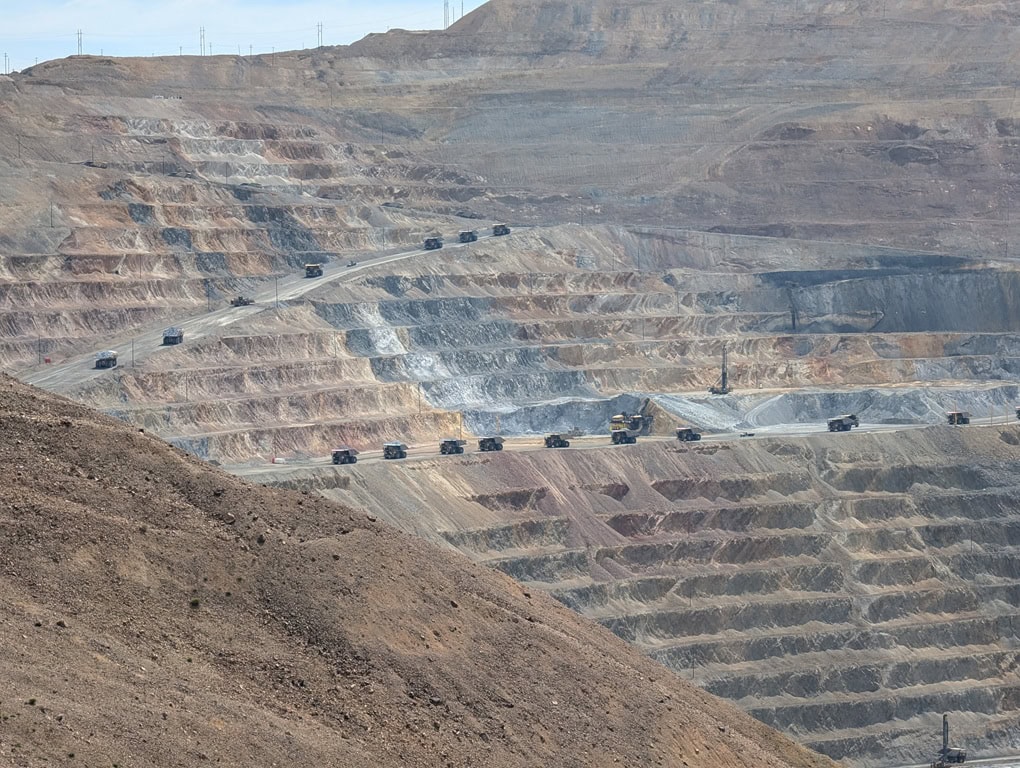
The mining industry is estimated to support as much as 45% of the global economy through direct and indirect contributions. According to the Global Investor Commission on Mining 2030, it plays a principal role in the economies of 81 countries, which are home to approximately half of the world’s population.
Yet the majority of decisions regarding investments in mining companies and operations are made by a relatively small number of (mainly) institutional investors, most of which are led by Caucasian men.
This is worrying because, for an industry who’s license to operate is increasingly dominated by its ability to balance profits with care for people and the environment, only a narrow cross section of the lives touched and the guardians who speak for important environments have a say in steering the ship.
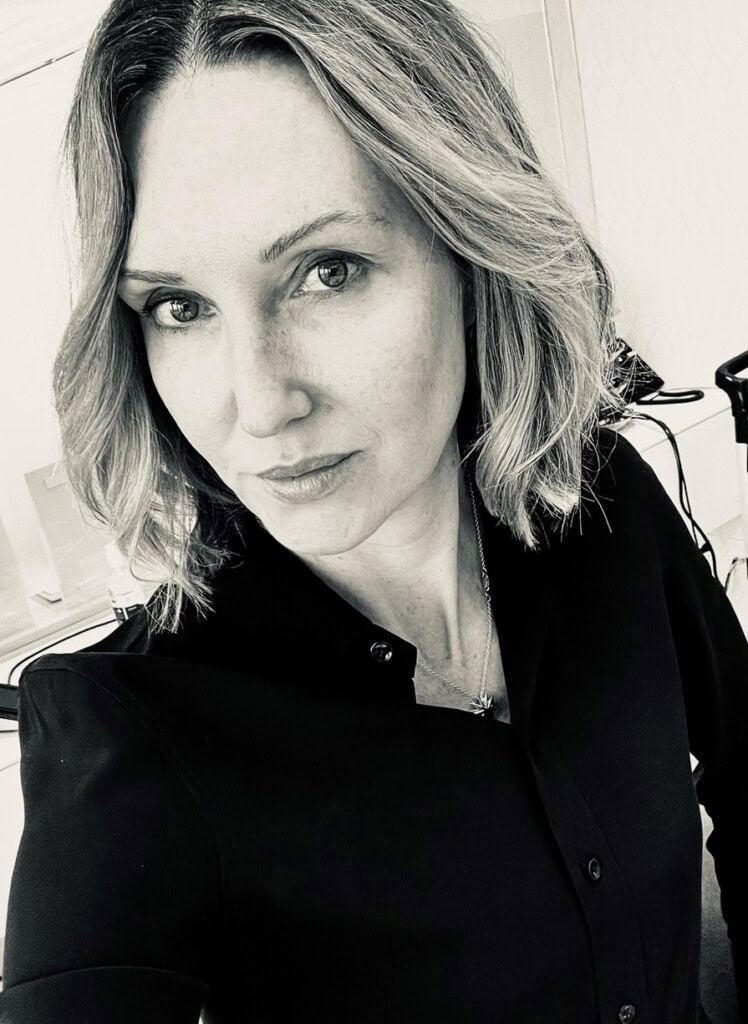
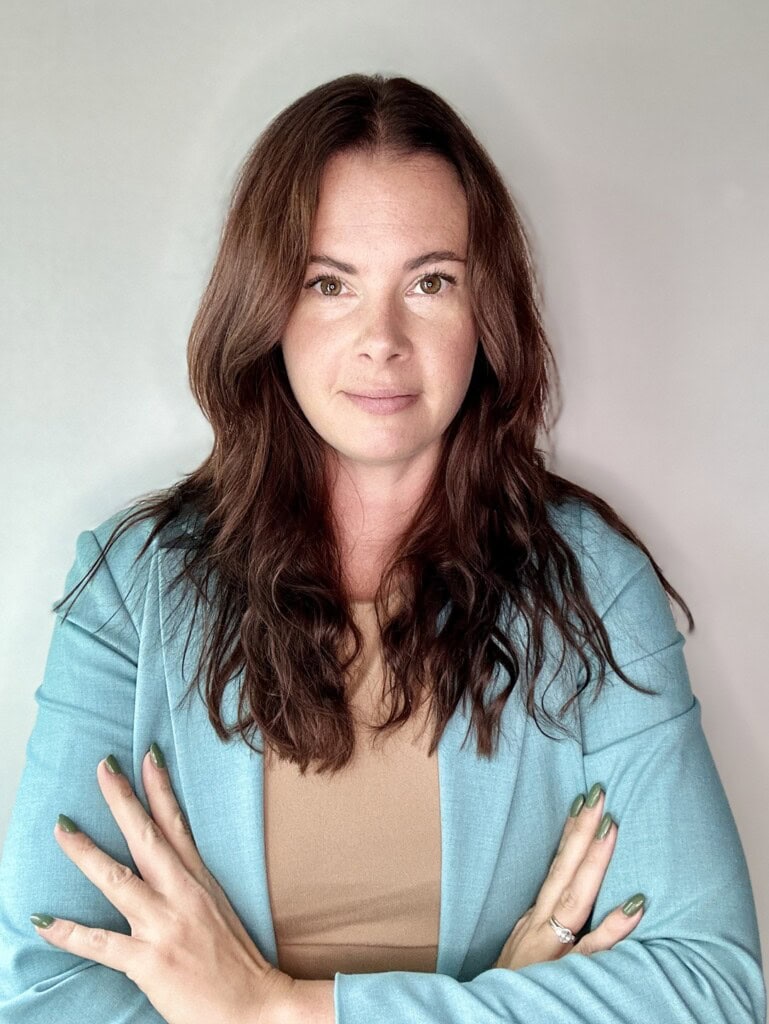
Beth Borody, CEO of The Femina Collective, and mining executive, Belinda Labatte, are on a mission to change this…
Investing is not gender diverse
“It’s important to note that although mining usually carries a high level of investment risk, it can offer incredible returns,” Borody told me.
“Women, however, are often newer to wealth generation and investment opportunities [than men], largely because systemic barriers have only allowed them full financial independence in recent decades.”
While Millennials and Gen Zs now take financial independence for granted, it’s worth remembering that as recently as 1974 in the US, single, widowed or divorced women could not apply for credit without a man present to cosign. In the UK, it wasn’t until 1975 that women could open a bank account in their own name.
“When we let that sink in, it’s clear why there has been a lack of investor diversity up until this point,” said Borody. “That history, combined with a tendency for women to be more risk-averse and community-focused in their decision-making, means that many women haven’t considered mining as a viable option to enhance their portfolios.”
However, greater diversity at the investor level could unlock new opportunities – not just for the mining industry, but for the communities in which miners operate too.
Women can bring a fresh perspective, prioritising social and environmental factors alongside profitability, which could lead to a more sustainable and inclusive mining sector.
“Based on my past three years of experience and hundreds of investor meetings, my assessment is that the investor base for small call juniors in critical minerals is predominantly male,” said Labatte. “Our industry has a specific investment thesis that tends to bring in serial investors who know the industry and the risk-reward equation.
“This, by experience, means fewer female investors. Although we are motivated by the women who choose to invest in mining and exploring ways to catalyse more investment, the conclusion is that the 8-17% of women working in the mining industry don’t necessarily see themselves as owners and take on investment risk.
“It’s clear that investing is not gender diverse.”
Barriers to inclusion
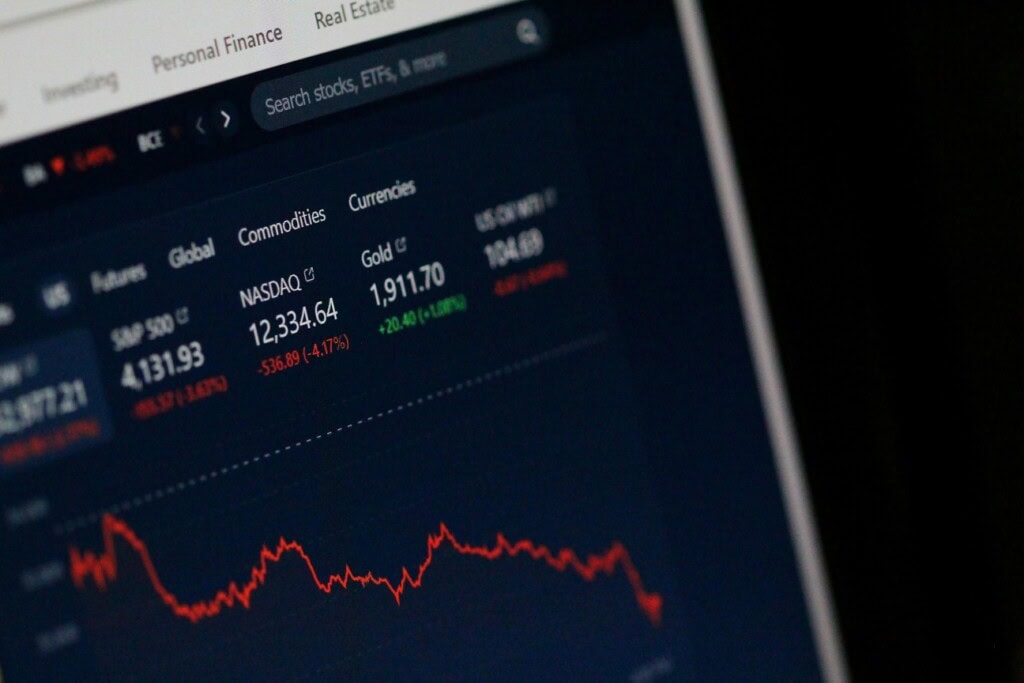
Numbers are difficult to come by but, given that women are significantly underrepresented in the mining workforce and that, as McKinsey & Co states in its seminal report Why women are leaving the mining industry and what mining companies can do about it: “drop-off from entry level to executive for females in mining is among the most dramatic across all industries”, it’s safe to assume that women are also underrepresented as mining investors.
“In North America, where mining has one of the highest percentages of women in the workforce, we might see slightly more female investors. But in many regions around the world, the numbers are likely negligible due to barriers like wealth ownership and limited participation in the sector,” explained Borody.
“That said, the potential is enormous. By 2030, women are expected to control 60% of Canada’s accumulated wealth. This presents a unique opportunity for women to play a pivotal role in reshaping the mining investment landscape, making it more inclusive, sustainable, and aligned with modern values.”
There are several barriers at play. Historically, women have faced systemic exclusion from wealth generation and investment opportunities, which has created a significant knowledge gap around areas like mining.
It’s not just about financial literacy; it’s about confidence. When paired with the high-risk nature of mining investments, many women feel it’s a sector that’s outside of their comfort zones.
Borody told me: “Cultural perceptions also play a role. Mining has long been seen as a male-dominated industry, which reinforces stereotypes that discourage women from viewing it as a place where they belong, whether as professionals or investors.
“Finally, access to wealth and financial independence varies greatly, especially in regions with systemic gender inequality, which further limits women’s ability to invest.”
Overcoming bias
Labatte explained that investing in high-risk private placements like mining, requires a certain level of net worth and also compensation disclosure to ensure that individuals are accredited investors.
“These criteria limit who can invest to begin with,” she said. “But the biggest barrier in my view is demonstrating to women that there is a place to allocate a portion of their capital to high-risk, high-reward investment, particularly if they’re generating wealth and working in this industry.
“We need to give visibility to these opportunities for female investors and how they invest, why they invest and what it means to them to be owners.”
She added that it’s important to work with all investors on developing this fresh investment thesis and commit to demonstrating that.
“It’s not gender specific, though I do believe it’s gender acknowledged, that some investors see a risk-return profile they’re comfortable with and want a leader to be successful as the woman they are,” Labatte said. “This quiet support is the most valuable and surpasses any public acknowledgement or award.”
In most cases, interactions like these will never be made public; they’re personal manifestations of support and also an economic trade, composed of grace and modesty. Labatte believes, however, that they are crucial to mention here, as they underline the path to wealth creation and diversity in wealth creation.
Showcasing the art of possible
Labatte added: “We can assume that women do not have the disposable income, or knowledge, or risk appetite to invest… but these are false assumptions. To get around that, women need to start raising their hands and saying: “I am an investor”, “I am an owner”.
Borody agreed that representation is key. Women need to see other women leading in investment-related spaces, whether on panels, at conferences, or in media stories about mining finance.
“Education is critical too in fostering greater inclusivity,” she said. “Organisations like The Femina Collective can host webinars and learning sessions tailored to women, breaking down the investment landscape and making it more approachable. The mining sector also needs to partner with women-led financial networks to build bridges and share opportunities.”
Ultimately, this isn’t just about equity – it’s about good business. A more diverse investor base brings new ideas, mitigates risk, and aligns with the growing demand for ethical and sustainable business practices.
“When we see other women taking risks and investing capital, we see the art of the possible,” Labatte added. “Today, there’s a need for more female independent investors. The number of female portfolio managers has also dwindled in the last decade.
“However, groups like Femina can play a valuable role in long-term change regarding women and risk, women and ownership, and women and investment in this industry.”
The female advantage
“What do women bring to the table that’s currently missing?” I asked.
“It’s not about what’s missing from the table,” Labatte replied. “As investors generate wealth and create liquidity in their portfolios, they should be actively looking to invest in women and female-led businesses.
“I’ve invested in female entrepreneurs by purchasing their services many times over. I’ve invested in female artists, in my daughters business, in my own business and in Lomiko in several private placements. I am now the largest insider owner of Lomiko and aligned with other large individual shareholders, which was my goal.
“I also wanted to demonstrate that I believe in my team and the business, and my partner – that I believe in her as much as I believe in myself. I wouldn’t be in this position if it weren’t for the people who invested in me over the course of my career.”
She continued: “My decision is to transition that capital to women wherever I can, and never to sacrifice quality. I hope it also creates trust; in that I’m demonstrating my belief in other women as economic engines and wealth generating individuals in their own right.”
Labatte’s statement is proof that women can bring a different lens to decision-making—one that prioritises community impact, environmental sustainability, and long-term outcomes alongside profitability.
This kind of holistic thinking is crucial to the success of mining projects, especially when it comes to areas like permitting and community acceptance.
Borody added: “Female-led investment also opens doors to greater diversity at the board level. When investors influence the direction of companies, they can advocate for inclusive leadership, which has been proven to improve company culture and financial performance.
Studies consistently show that diversity leads to better return on investments, and I believe that holds true at the investment level as well.
“Ultimately, when women are part of the equation, mining companies are more likely to build trust with communities, meet environmental, social and governance (ESG) goals more effectively, and secure a broader license to operate.”
The future of mining?
The world is approaching a tipping point. In the US, by 2030, women will control US$34 trillion – roughly 38% – of investable assets, while in Canada, women will control over half the country’s wealth by this date.
“That’s an unprecedented shift and a huge opportunity for mining as a sector that is cash-strapped and critical to the energy transition,” said Borody.
“If the sector makes a deliberate effort to engage female investors, it could look very different by 2050. We’re talking about companies that are not only more profitable, but also more sustainable, inclusive, and responsive to the needs of society. This isn’t just a nice-to-have; it’s the future of mining.”
“I agree,” said Labatte. “The potential to unlock capital from women in this industry, to invest in their industry, is massive as the pay is high compared to other sectors. Women as owners and investors is something that Femina is developing as part of its upcoming private investment club. I love it!”
1 comment
Aleksandar Nikoloski
I completely agree. We must mobilise every segment of society to contribute to the conversations that will help us navigate this transformative transition reshaping our global environment. Great piece, thank you.