

My earliest memory of mining is… In the 1970s (yes, last century!), during a family vacation to Cornwall, my parents took us to visit what is now the famous Poldark Mine and Heritage Centre near the village of Helston.
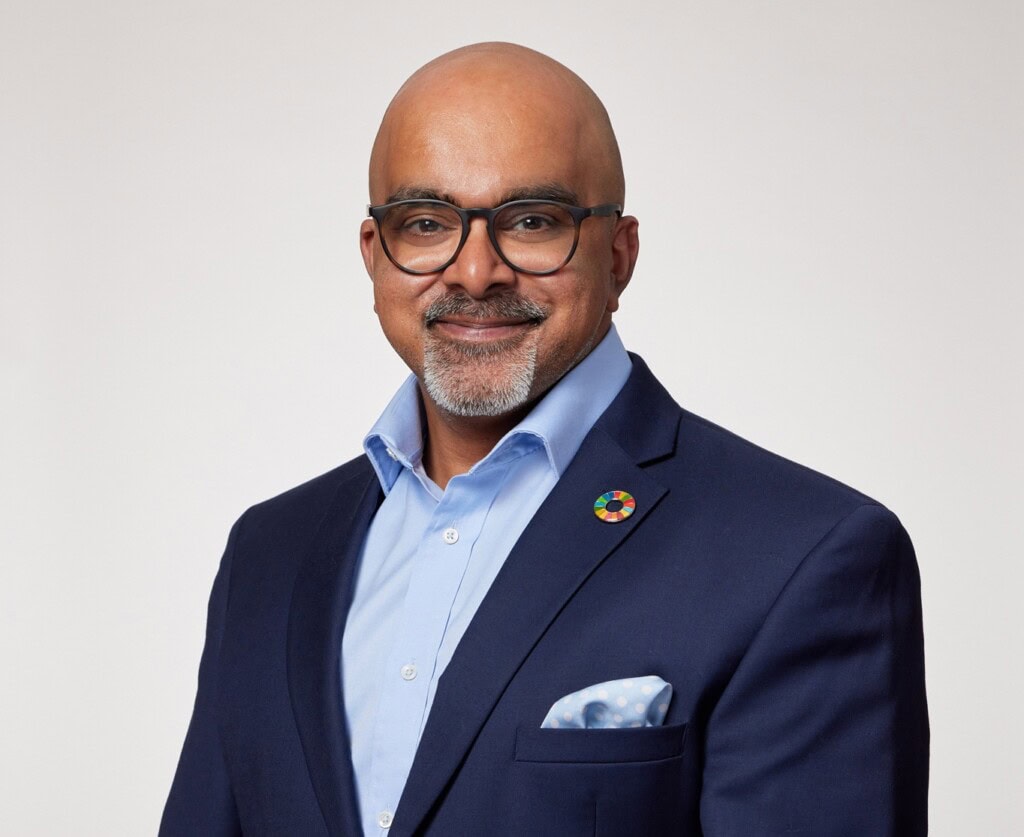
I remember donning the ubiquitous hard hat and cap lamp (which was far too big for me) and feeling excited to go underground for the first time. I was captivated by the old timber supports at the adit entrance, the twisted, hand-hewn stopes, and the gleaming tin ‘lodestone’, which sparked my childhood fascination with minerals.
When I first started working in the mining industry… It was in the 1990s, after I studied mining engineering at the then-prominent Royal School of Mines, part of Imperial College London.
My first industry experiences came as a vacation student during my studies, with placements in mines in the UK, Greece, and Ghana. Over three decades later, I’m still in the industry—without a break—and have gained hands-on experience in mining operations across more than fifty countries.
But when I started, no one talked about environmental, social and governance (ESG) or sustainability. The concept wasn’t even on the radar. Environmental management was basic at best, and social performance was virtually unheard of. Companies operated in silos, and what happened on a mine tended to stay on the mine. Thankfully, we’ve come a long way.
Over the years, sustainability has evolved, and my journey has included advising NGOs, investment banks, private equity firms, and international donors—including the World Bank, DFID, USAID, and various UN agencies—on implementing mining policy reform and investment programs.
I’ve worked with numerous juniors, mid-tier, and major mining companies in senior management, executive, and board-level roles across a range of operational contexts, from remote exploration camps and construction sites to operating mines and corporate headquarters.
I’ve had the pleasure and honour of leading global, multicultural teams across all sustainability functions, including environment, community relations, health & safety, government relations and security. Together, we’ve worked through complex corporate transformations—financings, acquisitions, restructurings, and consolidations—and have also navigated the challenges of saying difficult goodbyes through mine closures and divestments.
A career highlight of mine is… I feel fortunate to have had many career highlights—so many, in fact, that my wife often laments I should have kept a journal and written a book. On a personal level, two experiences stand out as especially meaningful and have had a lasting impact on me.
The first was helping a conservation NGO protect lowland gorillas in eastern Democratic Republic of Congo (DRC); the second was working with the International Labour Organisation of the UN on child labour issues across the Sahel.
In the DRC, our efforts led to the designation of protected areas and a reduction in human-wildlife conflict. In the Sahel, the work helped identify the root barriers to eliminating child labour in conditions of extreme poverty and food insecurity.
Both projects were deeply impactful and closely tied to artisanal mining—an enduring passion of mine throughout my career. Whether advising governments on policy or helping mining companies navigate the many challenges associated with artisanal and illegal mining, this work remains a personal priority.
The things I enjoy most about working in this sector are… Too many to mention! I’ve had so many adventures—some hilarious, some surreal, some scary, some bewildering and some deeply emotional.
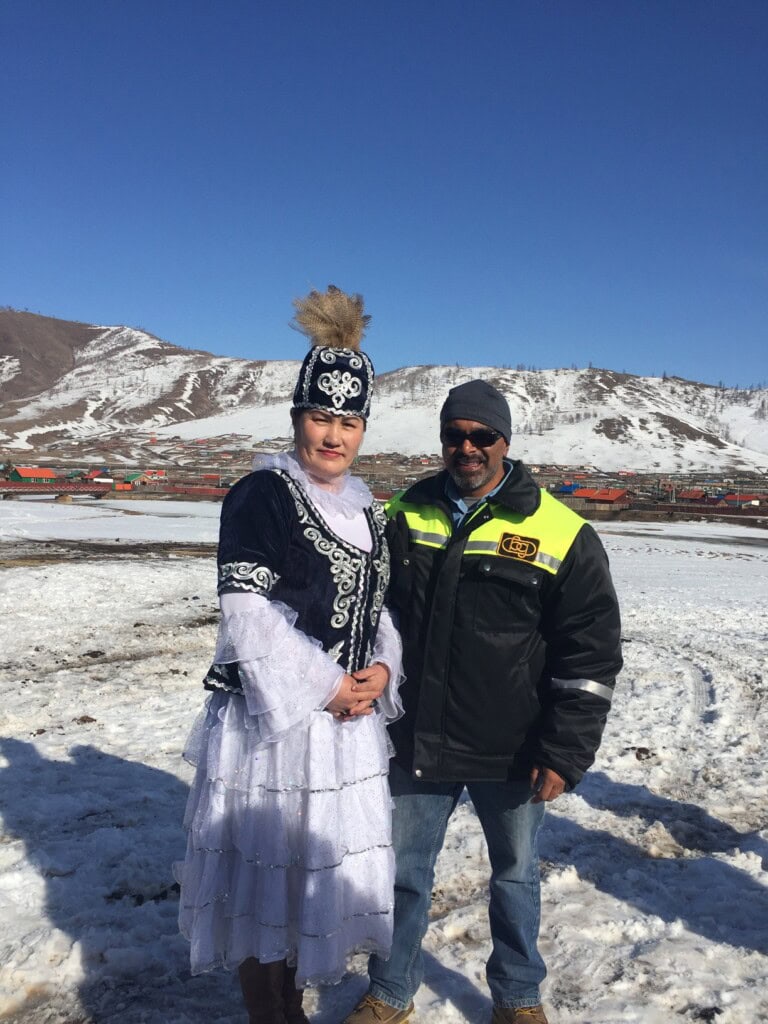
From witnessing the human devastation of conflict, to being stuck in sand dunes and rescued by a camel caravan, escaping a coup d’état, negotiating tense border crossings, dodging bullets from armed illegal miners, bathing in candiru- and piranha-infested rivers, and being thrown in jail, to walking through minefields and opium poppy fields, and even ‘negotiating’ with drug cartel leaders and diamond smugglers—it’s been a wild ride.
But what I’ve enjoyed most is being in some of the most remote and awe-inspiring places on the planet; experiencing vibrant cultures, including many Indigenous groups; sampling some rather interesting local delicacies—from smoked mopane worms and boiled stink bugs to deep-fried tarantulas and fermented horse milk; and, above all, meeting and working with so many incredible people.
I think we could do better at… This one hits close to home. There’s a troubling and widening gap between the theory of sustainability, now buried in disclosure demands and ESG ratings, and the practical reality of making a meaningful, operational difference. Real sustainability is hands-on. It’s not academic, and it certainly isn’t measured by slick reports or inflated ESG scores.
Mining’s sustainability landscape has become overly abstract, with too much emphasis on frameworks and perceived investor optics. While these have value, they don’t replace community-informed practice.
Branding is too often mistaken for substance, and compliance for impact. Many social media posts are one-sided ‘success stories’—more about clickbait than communities or environmental stewardship, full of buzzwords and disconnected from local realities.
Too many consultants flood the market with generic solutions lacking both context and credibility. Few have spent time on remote mine sites or faced the practical, messy realities of implementation, and it shows.
Mining conferences increasingly feel like echo chambers of instant ESG ‘experts’, where superficial knowledge can be dangerously misleading. You can’t Google your way to credibility.
Many influencers mistake confidence for competence and have never set foot in the communities impacted by mining, let alone delivered on the rhetoric they so easily repeat. In mining, sustainability talk is easy; lived experience and real impact are what truly count.
Then there’s the growing politicisation of sustainability. It’s exhausting. We now face not only the technical and social challenges of the work, but also a tide of misinformation and polarisation.
The loudest voices often distort facts, drowning out serious efforts with outrage or denial. This noise reduces complex challenges into culture-war soundbites—and that’s yet another distraction. The focus must stay on communities, ecosystems, and operational realities.
We need to break away from the crowd and reclaim the true meaning of sustainability. It’s time to strip away the marketing jargon and refocus on creating real, long-term value through strategies that are fit for purpose and appropriately scaled.
That means investing in operational integration, empowering frontline leadership, and building genuine, locally grounded partnerships. It also means being willing to ask uncomfortable questions, like: who is sustainability really for?
Transparency and accountability matter, but what is the true purpose of ESG reporting, and who actually benefits? All too often, it’s not the communities most affected by mining operations.
We should also rethink the concept of a ‘social license’. It’s been diluted to the point of meaning everything and nothing. The real test is what communities say about us when we’re not in the room. Let’s stop using sustainability as a stage for performance, and start using it as a platform for transformation.
One issue that I’m really passionate about is… Rebuilding trust, whether around diversity, equity and inclusion (DEI), human rights or broader social impact. Our industry has a trust deficit. Some bristle when I say that and point to our good work, but trust isn’t earned by past success, polished ESG reports, or benchmarked scores.
It’s earned daily when actions match words from corporate to site. Unfortunately, there’s often a disconnect between sustainability rhetoric and operational performance—what some call the “say-do” gap. Many corporate policies simply aren’t consistently implemented at the site level.
We must acknowledge this gap, not defensively, but with humility. Trust isn’t built on vague pledges, but on daily actions that show respect and a willingness to listen. It demands a shift from inward, product-centric thinking to outward, people-centric approaches.
To be seen as legitimate, mining must deliver on its responsible mining commitments consistently and without greenwashing or excuses.
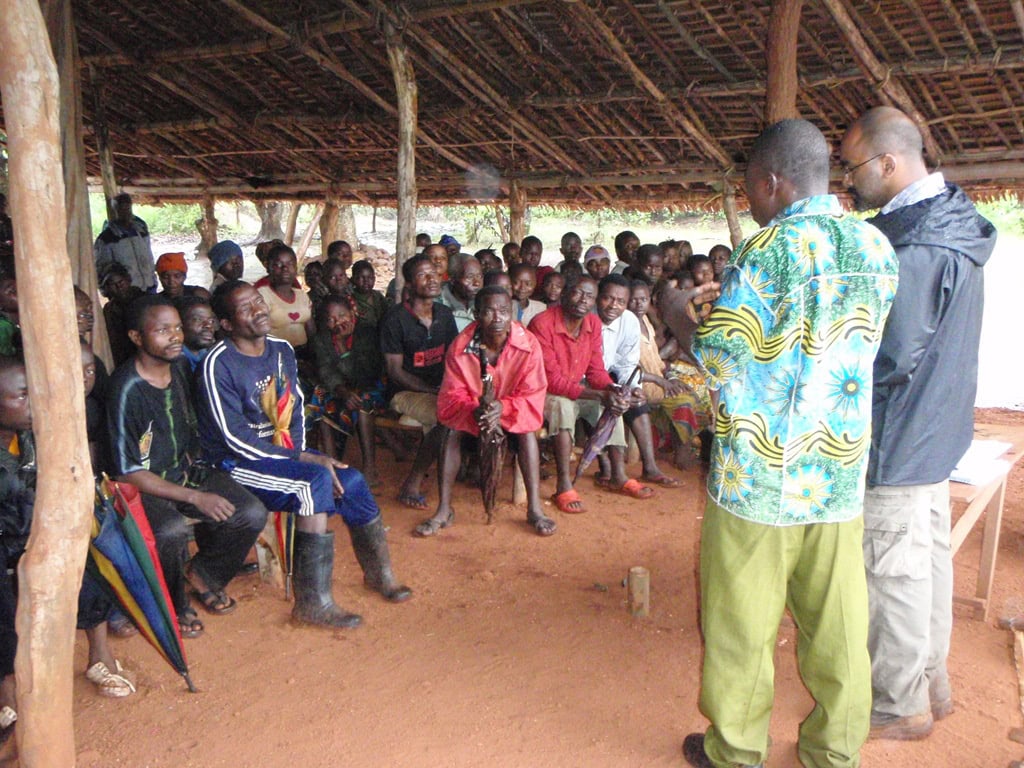
I would love to learn more about… I’ve always considered myself a lifelong learner, and I’m never surprised by the true extent of my own ignorance. I’m certainly not an armchair ‘expert’. In fact, I wouldn’t call myself an expert in any form. Most of my learning has come the hard way: through over thirty years of practice, failures, and course corrections on the ground.
For example, I’d love to learn more about how we can better integrate traditional ecological knowledge with emerging sustainability technologies, including the use of AI. There’s so much wisdom embedded in Indigenous and local systems—wisdom that could profoundly reshape how we approach climate, land, and resource management, if we’re truly willing to listen and learn.
I’m also keen to keep growing as a leader, with more empathy, vulnerability, and courage. Technical expertise matters, but the real breakthroughs in sustainability—whether in partnerships, communities, or boardrooms—come from how we show up as people, and how we make others feel seen, heard, and valued.
My driving forces are… A deep sense of responsibility and a desire to make things better—not just in theory, but in the real lives of impacted people and communities—are what drive me.
I’m motivated by the many stories I’ve heard while sitting around fires in remote villages, listening to Indigenous and traditional leaders, or attending meetings in community halls in mining towns, where people are trying to build a future with dignity.
Those conversations ground me, especially when I’m bombarded by the latest ESG jargon and management consultant speak. They remind me why this work matters and why it’s worth pushing through the complexity and ever-present resistance.
Those who know me know I love asking the ‘why’ question to avoid complacency and challenge doing things simply for the sake of it. I should also say I draw tremendous energy from mentoring others, especially the next generation of increasingly diverse sustainability leaders. Seeing their clarity and courage gives me real hope for the future.
I look up to… My parents. As immigrants to the UK in the 1960s, they taught me the value of hard work, resilience, humility, and doing the right thing, even when no one’s watching. Those lessons have carried me through every challenge in my career.
I also look up to people who lead with genuine courage and compassion; those willing to take difficult stances, build bridges, and listen deeply, especially when it’s uncomfortable, which is often the case in the sustainability field.
In a world that too often rewards leaders who govern by populism rather than principle—who surround themselves with sycophants, lack accountability, react instead of strategizing, and compromise on morals—I admire those who stay focused on the long game with integrity.
The ones who act as true stewards of purpose and actually live the corporate values that are so often plastered on mining websites and boardroom walls.
Looking to the future, I’m most excited about… The next generation of sustainability leaders gives me real hope. They’re bold, unapologetically values-driven, and unafraid to challenge outdated models. That gives me confidence we can accelerate change in ways we haven’t seen before.
Yes, we may have to endure a few hiatus years, given the ridiculous politicisation of everything from climate change to DEI. But the core issues aren’t going away; in fact, they’re becoming more urgent. We’ll need courageous, competent leaders to address them.
What also excites me is the continued opportunity to learn, grow, and contribute in ways that truly matter. The work is never done, but it’s deeply rewarding to be part of a global movement striving for a more just and sustainable future, especially as the world turns its attention to critical minerals and the green transition.
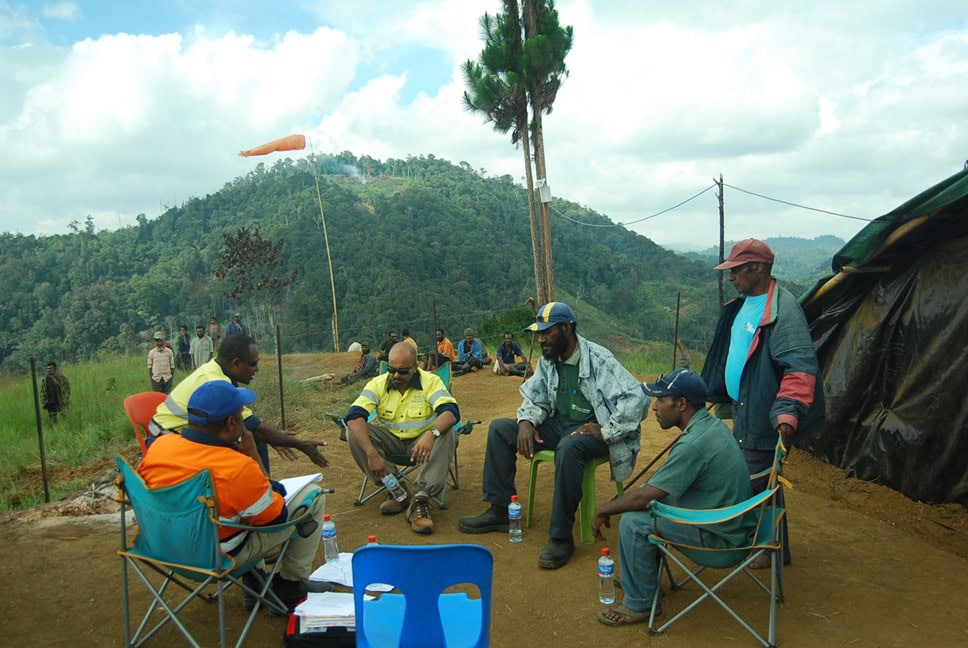
There’s never been a more important time to show up with purpose, humility, and a willingness to lead differently. I’m proud to continue playing a role in that evolution, particularly as I expand my advisory work with leaders across the industry.
Looking back over the decades, I realise this journey has been as much about people and relationships as it has been about minerals and mining. What keeps me going is the hope I see in communities striving for dignity and in the next generation of leaders who refuse to accept the status quo.
I’m deeply grateful for every lesson learned, sometimes the hard way, and remain committed to showing up with humility, honesty, and an open heart. At the end of the day, it’s about making a real difference in real lives, and that is what truly drives me forward.