

In December 2024, two of the world’s largest mining companies (by market capitalisation) – BHP and Rio Tinto – were served separate class action lawsuits by the Federal Court of Australia in relation to allegations of sexual harassment and discrimination at their worksites over the past two decades.
These are some of the latest in a long running series of sexual harassment reports made against mining firms across the globe. However, the shocking nature of the specific incidents involved and their timing – hot on the heels of Rio Tinto’s November 2024 update on work to combat such behaviours as part of its Everyday Respect cultural transformation programme – saw these stories shared far and wide.
Across the mining and metals industry and the wider resources sector, men and women took to social media to condemn these behaviours and empathise with the victims.
But despite the immediate furore, just weeks later, conversation surrounding the topic had quickly subsided. It seems that while sexual harassment (a form of gender-based violence, or GBV for short) is unacceptable to the mining community at large, it has, unfortunately, become normalised.
Bad things can and do happen, even at good companies
Both Rio Tinto and BHP released statements in the days following the filings stating unequivocally that they will not tolerate harassment.
BHP has been working since 2016 to create a gender balanced workforce supported by inclusive environments and practices, and Rio Tinto was already 24-months into a multi-year cultural change programme. The latter was triggered by a November 2022 review conducted by Elizabeth Broderick & Co which uncovered reports of bullying, racism and other harmful behaviours within the organisation.
In its November 2024 progress update, Rio Tinto stated that while 47% of the 10,000+ employees surveyed as part of its review perceived improvements in relation to sexual harassment, there was still work to do.
These are not the only two mining companies against whom complaints of harassment and, more broadly, GBV in the workplace, both official and unofficial, have been lodged. A quick Google search shows the problem is far more pervasive, both organisationally and geographically.
Rio Tinto is also not the only major mining company to have undergone an independent review into its workplace culture. Gold Fields, the world’s seventh largest gold producer by production, underwent a similar review and published its findings in 2023, revealing that 50% of its employees had experienced bullying, sexual harassment or racism in the last five years.
It’s an unfortunate fact that bad things happen at good companies. What matters is how organisations investigate each case, handle the outcomes, and that when incidents do occur, key learnings are applied to eliminate the possibility of recurrence.
It doesn’t take much digging through professional networks to find employees or former employees of mining firms – particularly female ones – who had their contracts terminated after filing official complaints of harassment. Others found their career prospects cut short due to social stigma associated with their experiences or were pressured to sign non-disclosure agreements (NDAs) to prevent information on events in which they were involved from being publicly shared.
The negative psychological, social, reputational, even financial impacts (including loss of earnings during periods of illness or subsequent unemployment) of incidents such as these on their victims can be significant and lasting. Further, the damage that NDAs can cause to collective perceptions of workforce safety cannot be understated.
Kevin PCJ D’Souza, Founder of KD Consulting, is a mining executive with over 30 years of experience spanning more than fifty countries. D’Souza actively champions diversity, equity and inclusion (DEI) by partnering with organisations, like International Women in Mining, to mentor and empower female leaders in the resources sector.
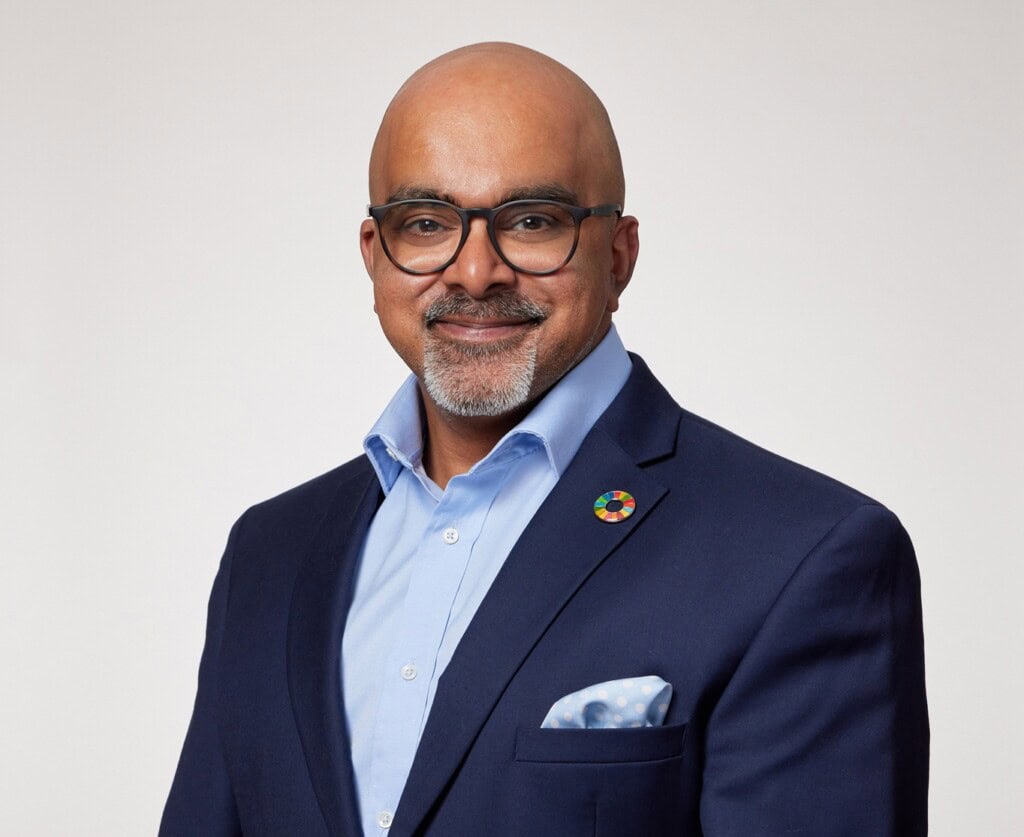

“I’ve worked with many respected mid-tier and major mining companies, and the truth is: harm can happen anywhere,” he told me. “We need to stop equating good governance with moral immunity. Culture isn’t what’s written in policies or pledged on walls, it’s shaped by what people experience every day. We haven’t done enough until everyone feels safe to speak up, not just those from more privileged backgrounds.”
He continued: “Over the years, I’ve supported many women who felt pressured to stay silent, whether by fear, shame, or legal constraints like NDAs. We need to ask ourselves: what kind of culture are we protecting when secrecy is valued over safety?
If your first instinct is to suppress harm rather than address it, that’s not leadership, it’s image management. And the long-term costs of that can’t be hidden on any balance sheet.”
Expanding the concept of safety
The global mining industry has built an impressive culture around physical safety – it’s undoubtably the sector’s top priority. Responsible companies have spent a huge amount of time, effort and capital to cultivate this and to implement processes, structures and tools that support safe working.
The impacts are clear in the downward trend in fatalities and injuries over the past 10-20 years at ICMM member companies (see figure 1), which represent around a third of the global mining and metals industry.

Safety is an industry level concern and it’s proven that sustained industry level action can deliver positive results. The expansion of this concept to encompass psychological and cultural safety is essential in tackling pervasive forms of harassment and other forms of discrimination.
“Psychological safety is still treated as optional, when in reality, it’s anything but,” said D’Souza. “People need to feel seen, heard, and safe to thrive. It’s fundamental to both performance and dignity.”
To be ‘sustainable’, i.e., maintainable at a certain rate, mining requires a skilled workforce. Although much focus has been placed on the shift towards mechanisation and automation of extraction in recent years, human skill, knowledge and decision making are still central to successful operations.
As Deloitte pointed out in its Tracking the Trends 2023 report, which explored the link between safety and sustainability: “both physical and psychological safety are prerequisites for sustainable mining activities—people need to feel safe as well as be safe to perform their roles to the fullest, to feel valued and to achieve job satisfaction”.
“A company can’t call itself sustainable if it tolerates harm behind the scenes while hiding behind environmental, social and governance (ESG) scores and polished disclosures,” said D’Souza. “A workplace where people feel unsafe or excluded isn’t sustainable; it’s extractive, in every sense of the word. True safety must include emotional and cultural dimensions, not just physical ones.”
Understanding gender-based violence
As alluded to earlier, sexual harassment is a form of GBV; a term that itself can breed fear. However, to truly address harassment and other forms of violent behaviour in the workplace, it’s important to understand what GBV is and how it manifests (often systemically within society and in tandem with other types of discrimination – see figure 2).

Abbi Buxton is an independent consultant who partners with organisations across the resource sector, including mining companies, to tackle GBV and advance equality in workplaces and communities.
In a 2025 briefing for the International Institute for Environment and Development (IIED) on GBV in critical minerals mining, Buxton explained that GBV is a term that’s often poorly understood.
“Violence is any behaviour that is used with the intention of causing another person harm, whether physically, sexually, emotionally, psychologically, financially or economically,” she wrote.
“…GBV is most often perpetrated by men against women, whose vulnerability stems in large part from entrenched power dynamics, systemic gender inequality, discrimination and harmful gender norms (collective beliefs about what is typical or appropriate).
“However, not all women are victims, and not all victims are women. As such, GBV programmes or policies must reflect dynamic and intersectional factors that impact a person’s vulnerability across genders.”
It’s also important to recognise that GBV doesn’t start or end in the workplace. It’s an issue that’s root causes can be linked to entrenched gender norms, financial stress, substance abuse, disrupted family systems, and inadequate support systems that extend from the workplace to families and communities. Tackling such issues require a long-term, multi stakeholder approach.
Fundamentally, GBV is a human rights violation. In fact, according to the United Nations, it’s the most pervasive yet least recognised human rights violation in the world.

This should trigger pressure from downstream companies and investors for systematic action to manage and mitigate GBV risks and impacts in and around mining operations and supply chains. However, Buxton explained that addressing GBV is not currently a priority for many companies or stakeholders.
“GBV is often narrowly viewed within human resources, diversity, equity and inclusion (DEI) or social performance,” she told me. “People assume that a policy or grievance process is enough, but that’s not the case. To solve this issue requires long term, systemic action across functions and with senior level leadership.”
The cost of inaction
In mining, coordinated action of this scale and nature is usually triggered by a cataclysmic event – for instance, the Global Tailings Review following the Brumadinho tailings disaster.
It seems that the class actions against Rio Tinto and BHP were not enough to instigate this level of change. But, given the types of violence that sit at the top of the GBV pyramid – femicide and murder (figure 1) – can the industry morally and ethically afford to sit back and wait for such an event to happen? I think not.
The wider implications of continually failing to address GBV for an industry that’s already talent starved are also significant, albeit harder to quantify. A 2023 McKinsey survey found that 71% of mining executives feel the talent shortage is holding them back from delivering on production targets and strategic objectives.
“We expect this trend to continue,” stated the authors. “Mining is not currently an aspirational industry for young technical talent to join – there has been around a 63% drop in mining engineering enrolment in Australia since 2014, and a 39% drop in mining graduations in the US since 2016.”
A 2023 Forbes piece by Paul Klein also made the link between the mining industry’s role in the clean energy transition and its ongoing inability to provide workplaces that are safe for women and other groups.
“The mining industry is saddled with a history of exploiting workers, sexual assault… and has a reputation that’s at odds with the sector’s new role in helping the world avert climate disaster,” Klein wrote. “This is contributing to a recruiting crisis.”
Without a steady pipeline of talent, miners will find it increasingly difficult, if not impossible, to meet future production targets. And with social acceptance and access to capital flagged amongst the industry’s top 10 risks multiple years in a row, it begs the question as to whether the sector is leaving itself open to disruption through insufficient action.
“Talent is one of the biggest risks facing the mining industry—it’s a topic we revisit constantly, whether at conferences, in blog posts, or within leadership discussions. And yet, we still struggle to build truly inclusive workplaces, especially for women and marginalised groups,” said Beth Borody, CEO of The Femina Collective – a group committed changing women’s experiences and representation in the resources space.
“Until we broaden our understanding of safety to include psychological safety—not just occupational—we’ll keep circling the same conversation. Real change demands that we listen, take meaningful action and have the courage to say: everyone matters.”

This is true, but how leaders react also makes all the difference. The concept of psychological safety is sometimes misinterpreted or weaponised to avoid accountability. Superficially, this means that people feel safe, but to truly be safe, leaders must build a high threshold for discomfort, particularly as people feel emboldened to raise their voices about workplace concerns.
As Buxton pointed out in her paper for the IIED, legal and moral imperatives aside, GBV is an economic issue that impacts value and material risk to investment in the mining industry.
“The cost of violence against women and girls amounts to around 2% of global gross domestic product; Peru alone estimates that GBV contributes to US$6.7 billion in lost productivity and other costs a year,” she stated.
These concerns are mirrored in the Fidelity International report, Workplace misconduct: The underestimated systemic implications for investors, which explains that “company-level incidences (operational) can lead to negative perceptions of a sector (societal gap), which in turn impact the sector’s social license to operate (systems-level).”
These can lead to long-term and material impacts on economic productivity, and “the interconnected and additive nature of these risks can then form a vicious cycle for communities and economies.”
Integrated problems require integrated approaches
According to Buxton, successful programmes and policies to tackle GBV address both response and prevention. The former address the needs of victims, survivors, perpetrators and bystanders by improving systems and care processes, while the latter tackle deep-seated, structural inequalities and harmful norms in the long term.
Mahmood Sonday is Managing Director at Reos Partners, a global advisory firm that helps organisations address systemic challenges. He has worked with numerous mining companies to develop and implement strategies to successfully tackle GBV and harassment.
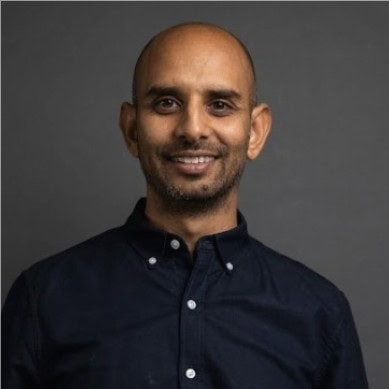

Sonday explained that many drivers for GBV are nested in the wider societal context, so it’s important to understand the interplay between what happens at work and what happens in the community. Often, people who feel disempowered or are mistreated in the workplace bring those frustrations home and vent them on family members, and vice versa.
“It’s deeply consequential for community member’s quality of life, and that filters back into the workplace,” Sonday said. “Evidence suggests that standalone GBV workforce training or ‘awareness’ programs don’t work. In contrast, holistic and trauma-informed GBV prevention and response strategies that take a multistakeholder approach and include support infrastructures outside and inside the workplace can have a real impact. There’s no quick fix.”
Buxton added: “Tackling GBV is complicated, particularly when incidents occur outside of the workplace. There are confidentiality issues that can prevent formal learnings from incidents from being captured.
“It’s important that companies consider what opportunities are available to learn from these events and apply processes similar to those used in physical safety programmes to prevent recurrence. Miners must demonstrate that they take GBV incidents as seriously as any other health and safety incident.”
Internally, cross functional integration and leadership are key in shifting the prevailing industry culture and ensuring long-term commitment and investment; when commodity prices are low, DEI programmes are often the first to get cut. This has been exacerbated by the assault on DEI in certain markets.
“One of my top recommendations, is to appoint a gender transformation lead,” said Buxton. “Someone who can support the CEO in leading change and drive meaningful action across functions.
“Mining companies have workforces that are primed for safety related initiatives – we already see the attitude of ‘my brother’s keeper’, where people feel personally responsible for the wellbeing of others, applied to physical safety. With the right leadership, that culture can be extended to eradicate GBV too.”
As Sonday pointed out, much of this discussion boils down to power and how it’s exercised. Mining companies are generally hierarchical, which can be a good or bad thing depending upon how that power is wielded. Part of the discussion must explore what would compel organisations to examine how power is exerted.
This emphasises the need for stronger accountability by investors, boards, regulators… but also leaders who are both socially intelligent and can navigate conflict in a way that is fair and progressive; a quality that Prof. Peter Coleman of Columbia University describes as “conflict intelligence”.

Safety is everyone’s responsibility
While cultural change must begin at the top, embedding it into organisations to ensure true safety is everyone’s responsibility.
From colleagues on site who act as allies, calling out unacceptable behaviours when they occur, to membership organisations that champion female employment and stakeholders who continue to hold companies to high social standards, every person has a role to play in eradicating GBV through continued awareness and action.
As US academic Brené Brown reminds us, “shame can’t survive being spoken”, and shame related to GBV is arguably the biggest risk that the mining industry is yet to acknowledge.
This sentiment is recognised by Dr. Haydon Mort, founder of Geologize, in his blog When Men Heal, Everybody Benefits. Mort argues that men’s unprocessed emotional pain due to the suppression of their parasympathetic pathways, especially within male-dominated sectors like mining, often lies at the root of toxic behaviours and systemic inertia.
He proposes a path forward that includes emotionally literate leadership, peer-led men’s groups, and workplace training that challenges outdated notions of strength and control. These are not abstract ideals, but practical interventions that can shift mining cultures from fear and silence to safety and empathy.
D’Souza agreed: “In this sector, I’ve seen how quickly outrage fades, especially when things get uncomfortable. But silence enables a return to the status quo. It protects the system, not the people who’ve been harmed. If we’re serious about change, the conversation can’t end when the news cycle does.
“To me, leadership today means sitting in discomfort and asking tough questions of yourself and your team. It means listening without defensiveness and challenging norms that no longer serve us. We need leaders who make space for honesty, not just compliance or groupthink. That’s how culture shifts: from the top, and from within.”
Sonday added that, with GBV, there’s a balance to be struck between decisive action and introspection; leaders who visibly model these behaviours are needed to speak to people across organisations and expose the reality that exists in companies and communities.
“There’s also a need for legislation, similar to what we’ve seen in South Africa, and for companies to have safe spaces to talk about their challenges and how they’ve been able to make progress,” he said.
Ultimately, this isn’t someone else’s problem to solve; it belongs to all of us.
“If you’re in a position of influence, and many of us are, the responsibility is clear: speak up, show up, and do the hard work to make our industry safe for everyone,” D’Souza concluded. “The mining industry cannot afford to wait for the next headline. The cost of inaction is already far too high.”
Call to action: safety is an issue for which we are all responsible. Please use the hyperlinks in this article to learn more about GBV and what can be done to eradicate it. Share this article with your teams, leaders and networks – discuss how, collectively, we can move the needle on this issue. And if you need further information or advice, seek out experts like those who lent their voices to this piece. Together, we can make the mining industry even safer for everyone.