

When mining organisations shut down an operation, regulations increasingly require them to return the site to a more-or-less natural state. But there are a number of environmental risks that can be introduced to sites during operations and even years after closure.
Mines can leach toxic minerals like arsenic, copper, and zinc into the surrounding environment, water sources can become acidified and enclosed spaces can fill with methane, creating very real explosion risks.


While the risks themselves are mainly chemical, the underlying processes are often microbial. Microbes can accelerate mineral leaching, produce strong acids, and can also be responsible for synthesising raw organic materials into methane.
To develop effective interventions against such risks at a mine site, the closure and remediation team needs to understand the mine’s microbial population.
Mine remediation is a prime area where cutting-edge bioinformatics research can make a real impact. Leveraging SRI’s BioCyc platform, Koonkie, a bioinformatics firm based in Vancouver, BC, is working to provide a more detailed picture of the microbes that live in mine sites and their impact on mining activities.
Mine site microbes: diverse and ill-understood
“Eighty percent of the microbes we find at mine sites are uncharacterised,” said Koonkie COO, Erin Marshall, who holds a PhD from the University of British Columbia. “They haven’t been discovered by science.”
The first challenge is simply identifying these novel microbes. But the more important work, from a practical perspective, is sorting through the figurative microbial soup to figure out which specific microbes might be impacting the chemical balance of a mine site.
To understand how microbes function, we first need to understand their DNA. The genetic code specifies the enzymes and processes that govern a microbe’s chemical reactions and environmental interactions.
By interpreting this information, bioinformaticians can gain insights into the organism’s metabolic pathways and capabilities. That’s where SRI’s BioCyc platform comes in, and specifically BioCyc’s Pathway Tools.
Using BioCyc to understand mine microbes
Working with a partner at a decommissioned gold mine, the Koonkie team recently demonstrated how metabolic modelling with BioCyc’s Pathway Tools can play a role in specific mine remediation projects.
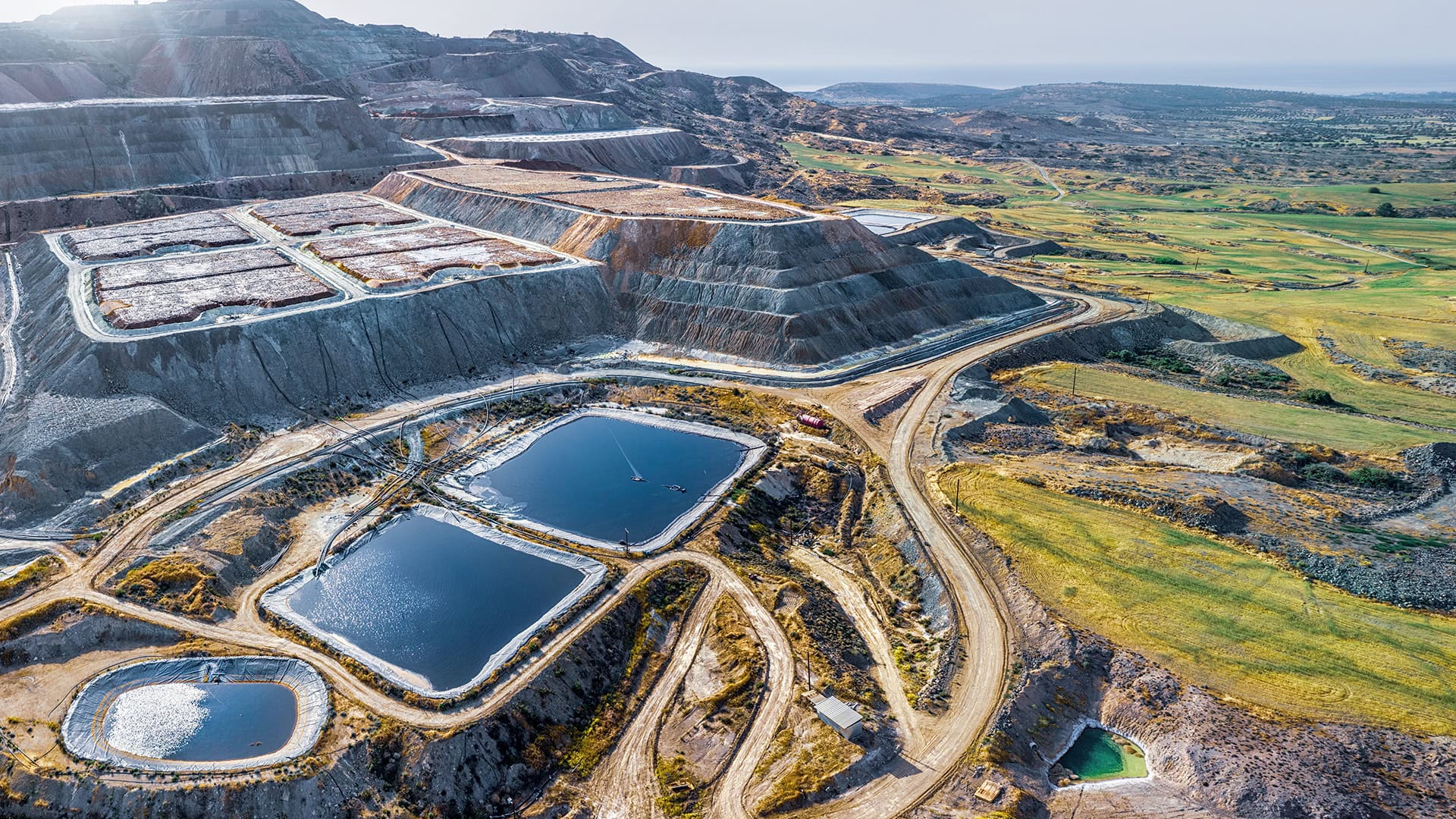
In their work at the site, the Koonkie team sampled from tailings ponds and nearby water sources, then extracted and sequenced microbial DNA from the samples. The team identified an organism of particular interest: a novel and abundant archaea that shares a lineage with organisms found in ocean hydrothermal vents.

Based on its abundance compared to other organisms detected, it was thriving at the mine site. The question: did it play an important role in producing (or, alternatively, sequestering) unwanted chemicals?
To find out, the team first sequenced and annotated the organism’s genome, then fed it into the Pathway Tools software. The SRI software computationally generated a pathway genome database for the organism, drawing on SRI’s MetaCyc database of metabolic reactions to model how this particular organism worked.
The Pathway Tools algorithm produced an interconnected map showing the organisation of genes into biochemical pathways that process substances at mine sites through multi-step chemical conversions. By building this metabolic overview, Koonkie could look beyond individual genes and understand the functional capabilities of the organism.
The results indicated that the organism in question contained a group of genes typically found in archaea that produce methane. However, the mere presence of certain genes doesn’t always mean that gene is an active participant in that organism’s metabolism.
Utilising the map generated by Pathway Tools, the Koonkie team took a more holistic look at how the entire metabolic network functioned. In this case, methane was not a predicted output of this particular organism’s metabolism, despite the presence of these genes.
In addition to learning that this organism did not increase the risk of methane gas generation at the mine site, the team identified metabolic pathways that could be beneficial to the remediation process.
The metabolic model predicted two pathways for arsenic detoxification, including one that converts arsenic from a highly toxic form to a more tolerable one, suggesting a function that is promising for remediation.
In other words, Pathway Tools helped Koonkie identify a potential risk at a mine site, analyze that risk to mitigate environmental concerns, and identify beneficial processes in the organism that could be functionalised in the future to bolster reclamation efforts.
The future of bioinformatics in mining
Understanding a mine’s unique microbiome, explained Marshall, is integral to remediation activities. But bioinformatics tools also have a powerful role to play in mineral extraction, given the role that microbes play in freeing metals like copper from raw ore.
“Once you understand the metabolic pathway,” she said, “you can tune a bug’s efficiency in the environment.”
For example, if the organism is making mineral extraction more efficient, you might increase the amount of its choice nutrient in the environment. If the organism is associated with a toxic output, you might reduce the amount of its choice nutrient.
You could also treat the site to change the pH or explore more advanced means of encouraging or discouraging particular microbial species.
“Since most mine microbes aren’t known, we need to build detailed maps of their DNA to understand how they operate,” Marshall concluded. “Building pathway genome databases helps us understand the genetic blueprints of these tiny miners so that we can use them to solve industry-wide challenges related to critical mineral yield, tailings stabilisation and more.”
These findings highlight how advanced microbial modelling can both mitigate costly environmental risks and unlock unexpected site value.