

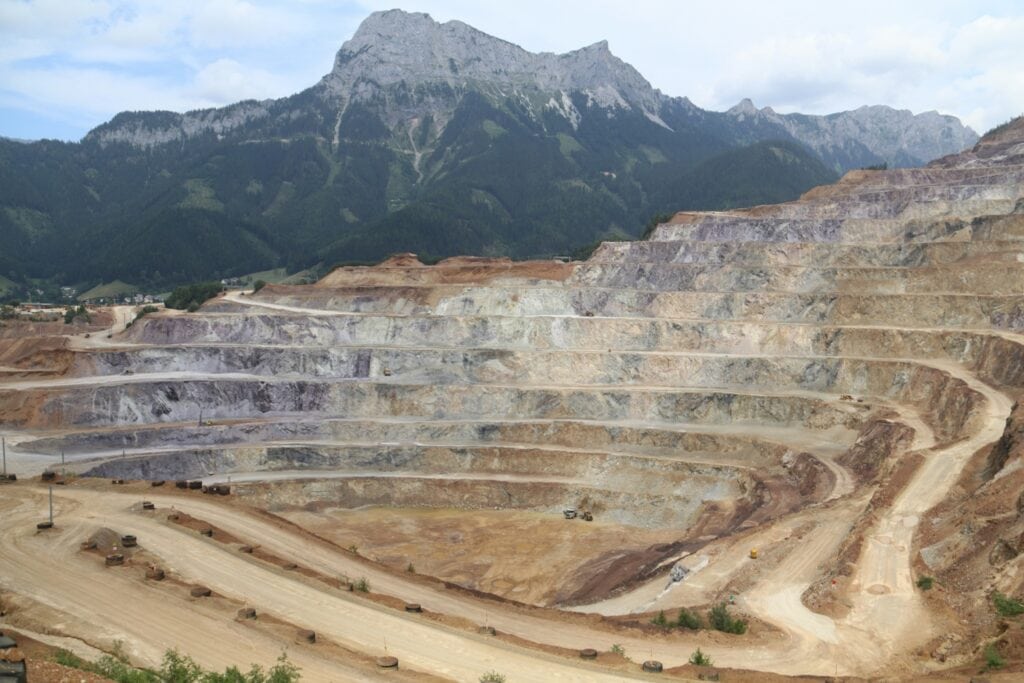
My earliest memory of mining is… The first time I saw mines and waste areas from an airplane, I was struck by the enormous scale and dramatic colours, highlighting that some interesting transformations were happening. In my doctoral research, I started exploring how microbes interact with metal contamination in nature.
Realising that something so microscopic could drive massive landscape-level impacts, like acid generation and metal mobilisation, hooked me immediately. It made me see the biotech opportunities (e.g. bioleaching), but also made me curious about the potential to harness microbes for smarter environmental management.

When I first started working in the mining industry… I was surprised by how poorly understood microbes were in the context of mine sites. We knew that they play a role in metal extraction, with 20% of the world’s copper leached by microbes, but we learned that the vast majority (often up to 80%) of the species at sites are new to science.
Which means we don’t know anything about who they are, or what they can do – at least until we unlock the instructions written in their DNA.
I found that a company was working on doing exactly that, and at an ambitious scale. Koonkie was working on a large-scale project called the Mining Microbiome Analytics Platform (M-MAP) to provide broader and more contextualised access to genomic data from mine sites.
During my post-doctoral studies, I saw the power of large reference datasets that integrate genomic and contextual metadata to give a more complete and actionable picture of various biologically-driven systems. Mining currently lacks these rich reference data sets, and it is exciting to use approaches that have accelerated the health space for mining applications.
A career highlight of mine is… In a recent partnership with Rio Tinto, we profiled DNA from soil, tailings, waste rock, and water at one of Rio’s mine sites and created an inventory of local microbial life. By taking a function-first approach, we identified native microbes with the potential to reduce environmental risks or increase the yields of recovered metals.
I think of this inventory as a sort of microbial toolkit. Once the tools were identified, the Koonkie team was able to find the best microbes to isolate and develop solutions for challenges ranging from dust control, to reclamation, to metal recovery.
Another standout moment for me was helping a mining client figure out why acid was forming at their site. By integrating genomic and environmental data, we pinpointed the microbial drivers and suggested practical mitigation strategies. That would not have been possible without microbial testing.
The things I enjoy most about working in this sector are… The sheer scale of mining operations and how that means that new solutions have the promise of having enormous impact. Also, how that large scale contrasts with the microscopic systems I study.
I started my career researching how these tiny organisms work and I really enjoy the contrast between their small size and their massive impact on mine processes. I’ve always been fascinated by maps, and the scale of mining means I get to see the impact of our work by integrating geospatial data to start to see how everything (biology, chemistry and spatial information) connect across a site.
I think we could do better at… Access to reference data in extreme mining environments has historically been low, which hampers building an understanding of the resident microbes. That understanding is important as it allows us to better wield their power for biotech development.
At Koonkie, we’re working on this problem by building a big database for mining microbes (M-MAP) and creating standardised methods and datasets that allow longer-term and more cost-effective analysis. The goal is to make microbial solutions more accessible and robust for mining applications.
One issue that I’m really passionate about is… I love the elegance of natural solutions and biomimicry. Microbes evolve rapidly, and we can leverage their adaptations both to monitor environments and to design interventions. Nature has already solved many of the problems we face in mining, from metal mobilisation to detoxification. My work focuses on identifying these mechanisms and translating them into actionable strategies.
I would love to learn more about… The next big step for mining biotech isn’t just about our own scientific discoveries – it’s about having the humility to learn from industries that have already navigated this path.
We are looking closely at healthcare, where the leap from laboratory research to clinical biotechnology was bridged by clear regulatory frameworks and standardised data practices. By studying how the medical field turned complex genomics into a standard for life-saving care, we can better understand how to build similar reliable frameworks for the mine site.
I am working on learning how we can apply those same ‘best practices’ to mining. Our goal is to turn the lessons learned in health research into a reliable asset for both mining productivity and environmental compliance.
My driving forces are… I’m driven by scientific curiosity and the opportunity to develop and apply sustainable technologies in the mining sector. Over thousands of years, nature has already evolved the solutions we need: our job is to find them and apply them.
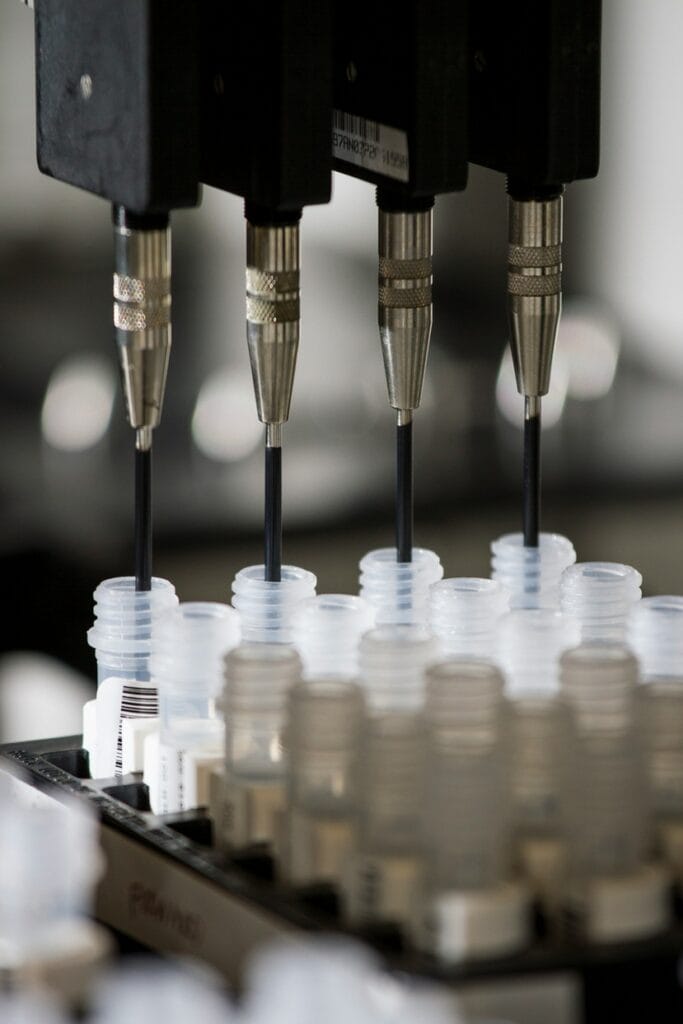
At Koonkie, that means working with large-scale microbial datasets from complex environments to help miners find the microbes at their site that can, if harnessed, help them extract metals from waste, meet reclamation goals and reduce long-term environmental impacts.
I look up to… I’ve been deeply influenced by my post-doctoral supervisor, Dr. Peer Bork, a visionary and major influence in the field who helped redefine microbiology as an information science of ecosystems. He managed enormous projects and had a major impact on bioinformatic research, yet he always made time for mentorship.
His approach showed me how microbes could be studied and applied on a global scale, combining rigor with vision. I try to carry his ethos into Koonkie’s work, focusing on scientific excellence, practical impact and the people who make it all happen.
Looking to the future, I’m most excited about… Biotech is showing promise across the mining lifecycle and I think we’re coming to an inflection point where these technologies, which have been in the design phase for years, will start to really take off and take hold. There are multiple projects showing real-world impact, from microbial monitoring to targeted interventions, and as a microbially-minded person, that is very exciting to see.
The ability to combine environmental and genomic data at scale is opening the door to more predictive, efficient and sustainable operations. Helping to steward these approaches from pilot projects to industry standard is going to be a challenging but rewarding effort. The next few years will define how microbes reshape environmental management in mining.
Read more about how bioinformatics can improve mine management here.