

I recently spent an afternoon with my friend Bob (aka Chat GPT) reading through the latest annual reports and investor presentations from some of the world’s biggest mining companies.
I was thinking of writing about productivity. With costs remaining high and ore grades continuing to decline, I was curious to see how much attention it was getting in the C-suite. Instead, I kept stumbling across the same phrase: operating system.
Mining companies have always had operating systems in one form or another – standard operating procedures, production meetings, maintenance planning and continuous improvement programmes – are a core part of the industry’s DNA.
However, the more I read the more I realised that something had changed. These aren’t the operating systems of old. They’re being rebuilt around digital capability. For the best part of a decade, mining’s digital transformation narrative has been about installing technology. Most of the major miners have now done that part and the work is beginning to shift from collecting data to using it. Not simply to optimise a process plant or predict an equipment failure, but to improve the way the entire organisation plans, collaborates and makes decisions.
That’s where these new operating systems come in. BHP describes the BHP Operating System as the management framework that underpins safety, productivity and reliability across the business. In its June Operational Review, the company said it sees “significant opportunities to accelerate improvements in safety, productivity and reliability through our operating system and the adoption of technology”. Interestingly technology isn’t presented as the strategy; it’s something that delivers greater value because it sits within a consistent way of working.
Rio Tinto has spent the past few years embedding its Safe Production System while simplifying its organisational structure and pushing decision-making closer to operations. When the company announced changes to its operating model, the objective wasn’t to launch another digital initiative. It was to improve consistency, strengthen execution and unlock additional value across the business. Again, technology forms part of the picture, but it isn’t the be all and end all.
Anglo American’s operating model follows a similar pattern. Built around planning, execution and continuous improvement, it’s increasingly supported by predictive insights, advanced analytics and AI. Rather than positioning digital tools as standalone solutions, Anglo describes them as enablers of better operational decisions and a means of sharing best practice more effectively across its portfolio.
Different companies. Different terminology. But all three appear to have arrived at the same conclusion: the next phase of digital transformation is about redesigning the operating model so that technology can deliver value at scale.
Take AI, for example; an AI model might recommend changing a plant maintenance schedule, but who decides whether production priorities should shift? Operating systems provide the governance, routines and decision-making frameworks needed to turn digital capability into operational performance. They connect technology with people, processes and culture in a way that transcends individual digital projects.
Building an organisation that consistently uses its digital capabilities to make better decisions, learn faster and execute more effectively is the next natural step on mining’s digital journey. It isn’t nearly as exciting as announcing a new autonomous truck fleet, but it’s arguably just as, if not more, important. And if the annual reports are anything to go by, that’s where the world’s biggest miners are now focusing their attention. Let’s see if it pays off…
This October, we’re exploring business and strategy with exclusive interviews, expert analysis and practical insights for mining and metals leaders. Subscribe to our website to access the full series and join a growing community of mining professionals.
Carly
Editor’s pick
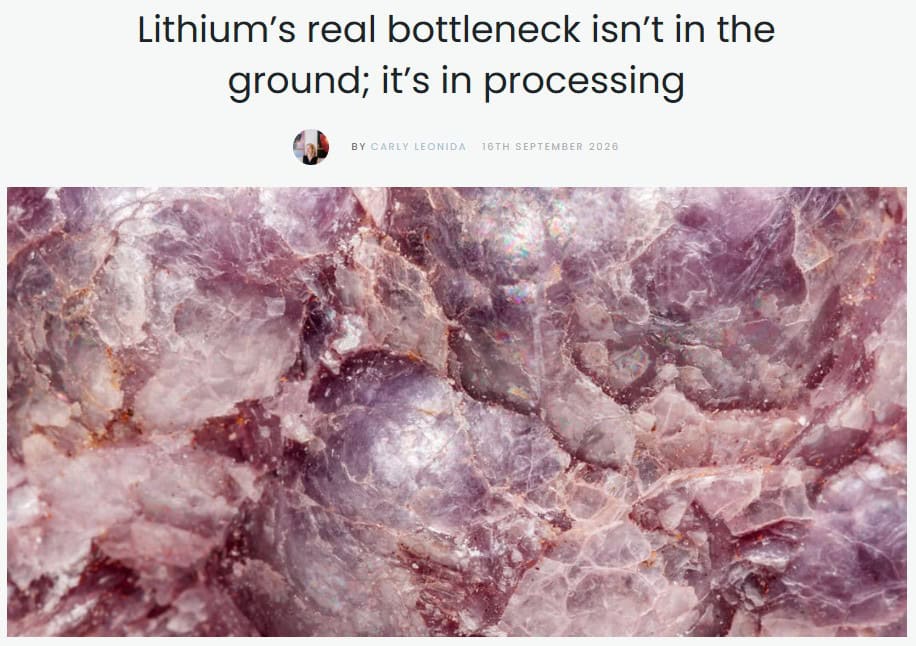
Carly Leonida speaks to Marika Tiihonen of Metso about lithium processing, streamlining flowsheets and building more resilient supply chains.
Top three articles in September
Our three most-read articles during the past month. Click the pictures to read.

Unearthing women’s lived experience: The human stories behind mining
Aarti Sorensen interviews Michelle Hohn about what inspired her to create GEMS Unearthed.

Spotlight: The cost of proving a tonne of metal
Anastasia Kuskova, CEO and co-founder of beSirius, explores the hidden cost of fragmented sustainability data.
If it isn’t mined, it can’t be grown
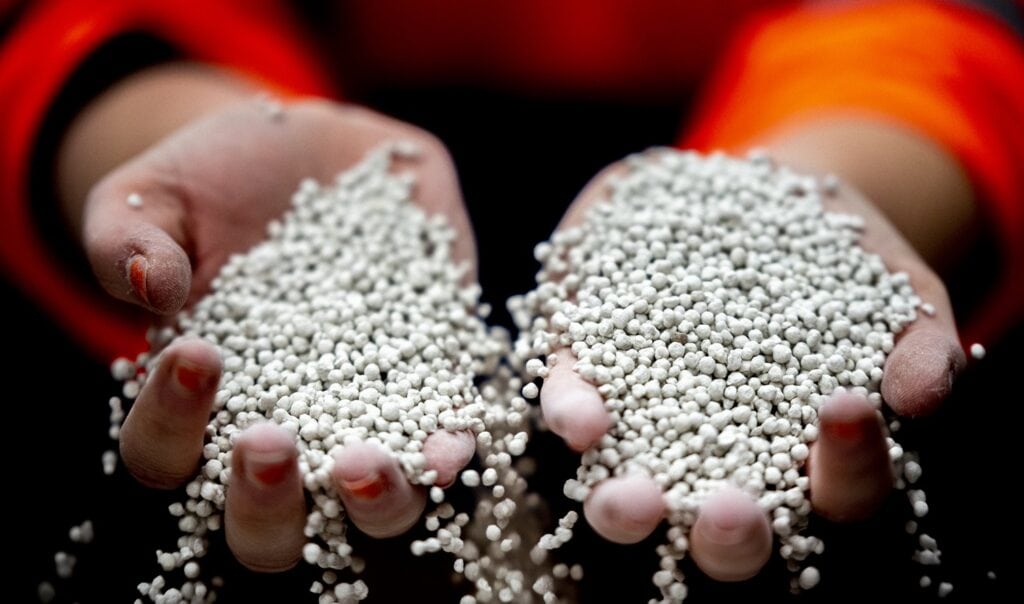
Carly Leonida speaks to Anglo American about the link between mined materials and global food security.